Clients are often puzzled when altering a coat takes longer and involves more work than altering an unlined jacket or a dress. The difference is not the outer fabric. It is everything hidden under it: lining, interlining, padding, and structure that must be opened, adjusted, and rebuilt for the coat to hang correctly again. A coat is closer to upholstery than to a shirt, and it is worked on accordingly.
This walkthrough follows a coat alteration step by step, so you can see where the time goes and which small parts you can handle yourself, like buttons and surface care, versus the internal work that belongs on a tailor's bench in Waxhaw or anywhere else.
What is inside a coat
A typical tailored coat has a shell, a lining that lets it slide over clothing, and between them some combination of interfacing, canvas, or light padding that gives shoulders and lapels their shape. Sleeves may carry their own lining and a small shoulder pad. Buttons often have a backing button inside to keep them from tearing through. Every one of those layers is stitched in place, and reaching a seam usually means opening the lining first and closing it last.
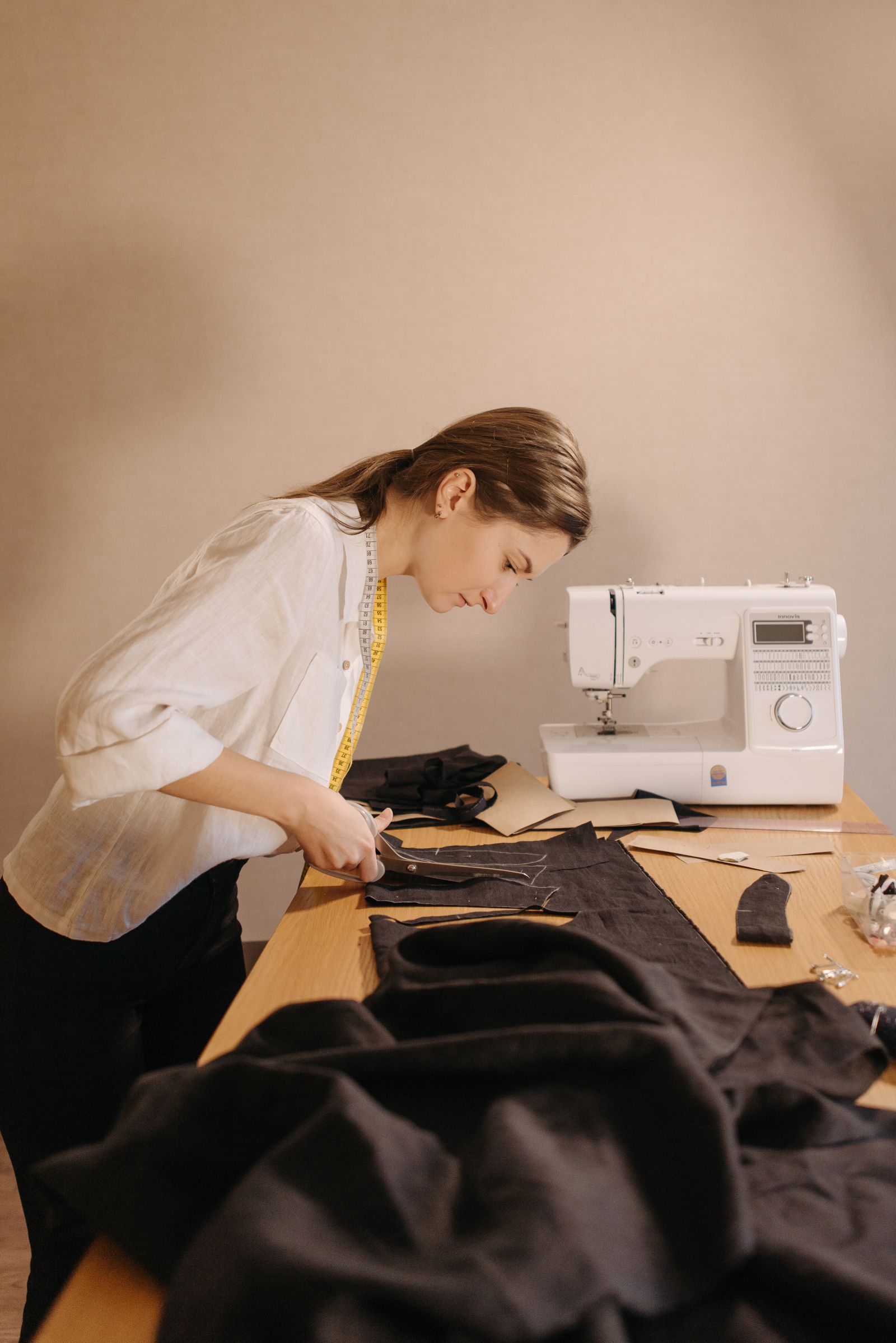
- Assess the coat on the body. Fit is judged over the layers you actually wear, so bring or wear a typical sweater or jacket for the fitting.
- Open the lining. The tailor releases part of the lining at the hem or a seam to reach the internal structure without disturbing the outer finish more than necessary.
- Mark and move the shell seams. The visible alteration, taking in, letting out, or shortening, happens on the outer fabric and its interfacing together.
- Adjust the structure. Shoulder pads, canvas, and sleeve heads are repositioned or trimmed so the coat's shape follows the new fit instead of fighting it.
- Resize the lining to match. The lining is altered separately to the same dimensions; a lining left too large bunches, and one too small pulls the shell out of shape.
- Reclose, reattach, and press. Buttons, vents, and hems are finished, the lining is closed, and the coat is pressed so seams and lapels settle as they should.
Shortening sleeves and bodies is not one cut
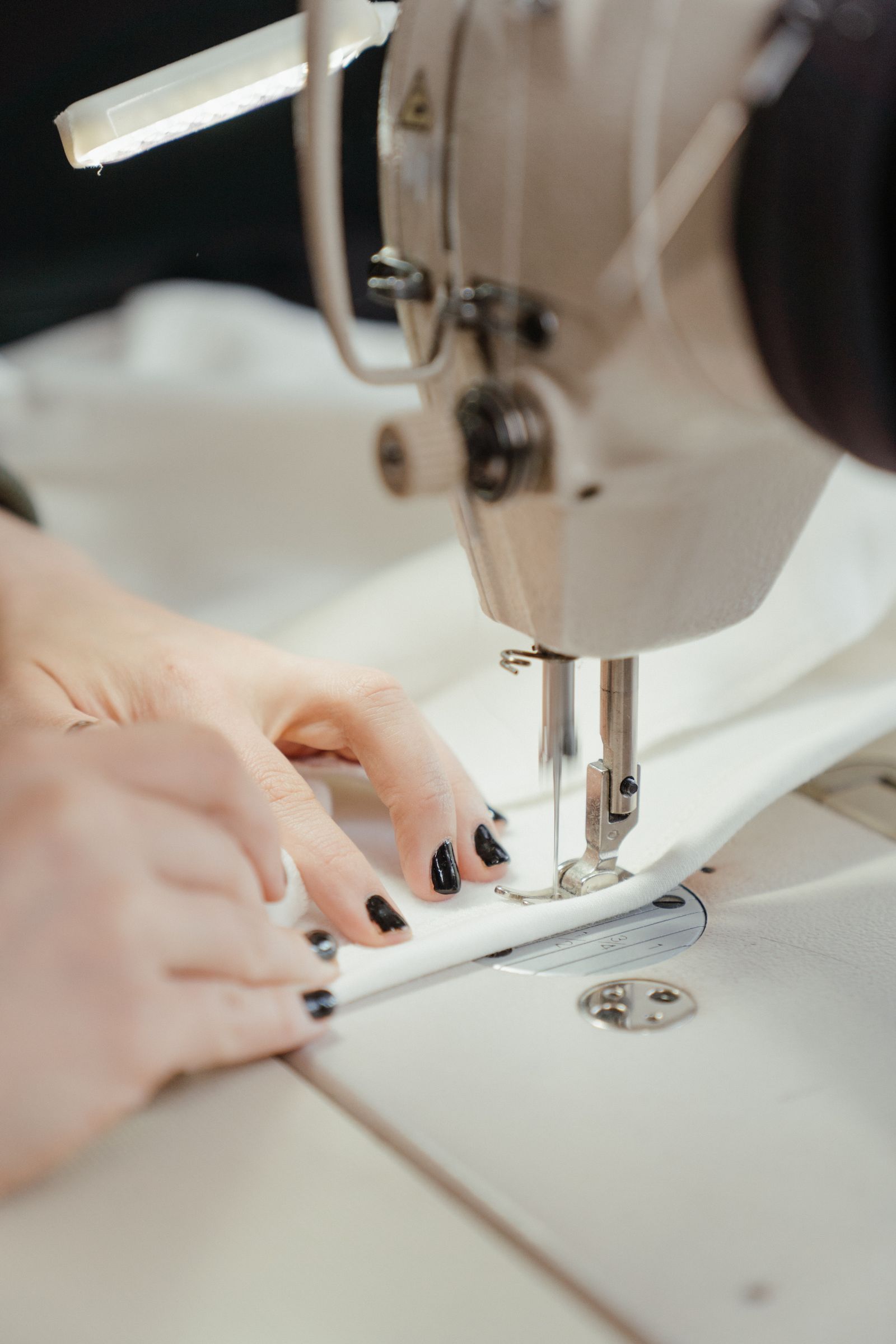
A coat sleeve ends in buttons, a vent, and lining, so shortening it means moving or recreating those details rather than slicing the end. Shortening the body moves pockets, vents, and the button stance relationship, and the lining and interlining shorten separately. Each step is small; together they explain why a coat sits at the bench longer than a pair of trousers with the same amount of visible change.
What you can do yourself
Buttons are the honest home job: sew a loose coat button early, using the backing button if fitted, with strong thread and a thread shank so the button stands off the thick fabric. Surface care is yours too. Brush the coat after wear, hang it on a wide hanger that supports the shoulders, and give it air after a wet Waxhaw winter day rather than sealing it in a bag. Moth prevention in storage, cleaning per the care label, and checking lining tears while they are small all extend the interval between bench visits.
Where the professional line is
Anything past the lining is professional territory: fit changes, sleeve and body shortening, shoulder work, and relining. Relining a favorite coat is a substantial but legitimate job when the shell is sound, since linings wear out years before good wool does. If a coat fits well and only the lining is torn and tired, that single job can return it to daily service through many more cold seasons.
Sharon's Alterations & Tailoring handles lined garments alongside everyday hemming and repairs, and the fitting habit matters most here: wear the layers, name the problem precisely, and let the internal work take the time it takes.
Common questions
Why does a coat alteration take longer than a dress?
Layers. The lining must be opened and later resized and closed, and internal structure like canvas and padding has to move with the fit, adding stages an unlined garment skips.
Can a coat be let out like trousers?
Only within its seam allowances, which are often modest, and the lining must have room too. A tailor can check both quickly and give a definite answer for a specific coat.
Is relining a coat worth doing?
When the outer fabric and fit are good, usually yes. Linings wear faster than shells, and a fresh lining restores how the coat slides on and hangs without replacing a sound garment.
Photos in this guide are representative stock images.
← All guides from Sharon's Alterations & Tailoring← Back to Sharon's Alterations & Tailoring