A favorite pair of jeans fails in predictable places: the inner thigh rubs thin, a back pocket corner tears, the hem frays where it met the ground. Throwing the pair away feels wrong when the fit everywhere else is exactly right, and in Waxhaw plenty of good denim gets retired early for damage a repair bench handles routinely. Sharon's Alterations & Tailoring handles this kind of denim repair regularly. If you have never had jeans repaired, here is what actually happens, step by step.
Denim repair uses a few distinct techniques, and a good first visit starts with matching the technique to the damage. Darning rebuilds worn areas with stitching, patches reinforce or cover, and hemming restores length, sometimes keeping the original factory edge. They solve different problems, and choosing well is most of the job.
The techniques, in plain terms
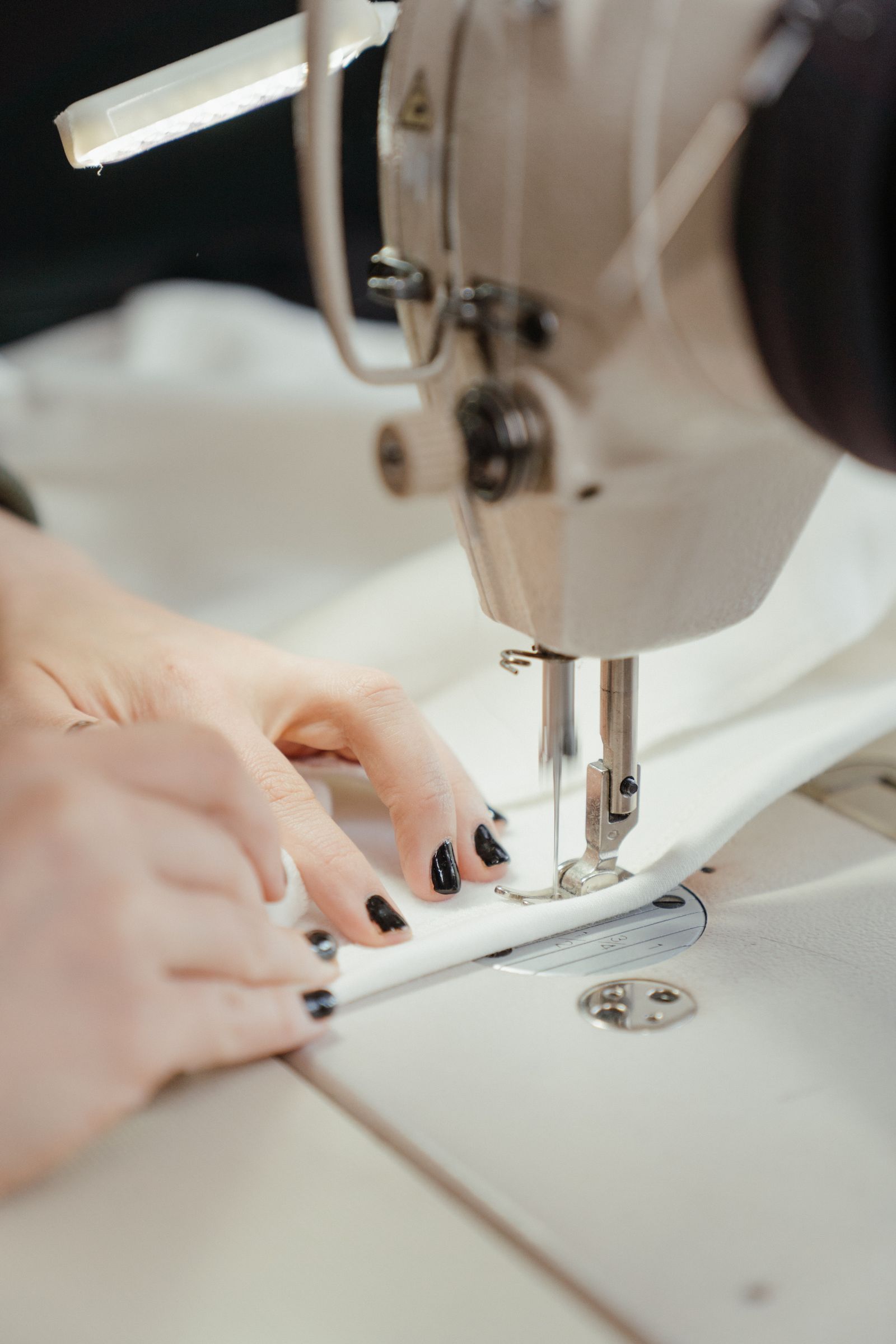
Darning on a machine weaves thread back and forth across a thinned or torn area, rebuilding a fabric layer that flexes with the jeans. Done with matching thread, it reads as texture more than repair, and it is the standard fix for inner thigh wear. A patch places fabric behind or over damage for strength; patches suit knees, pocket corners, and tears where the surrounding denim is still sound. The two combine often, with darning over a backing patch on serious wear.
- Bring the jeans clean. Repairs go better on washed denim, and the shop can judge true color and wear without grime. Mention any home repair attempts.
- Show every weak spot, not just the hole. Thinned areas near a tear will fail next. A thorough look now prevents a second trip in a month.
- Match technique to damage. Thinning gets darning, clean tears get stitched or patched, worn-through knees get a patch decision, and long hems get measured with your shoes on.
- Choose thread and visibility. Matching thread blends the repair into the denim; contrast thread makes it a visible feature. Decide on purpose rather than by surprise.
- Approve the repair area size. Darning extends beyond the visible hole into sound fabric so the edges hold. Expect the stitched area to be larger than the tear itself.
- Check the fit at pickup. Repaired areas can feel slightly firmer at first. They soften with wear and washing, but flag anything that pulls or binds right away.
The original hem, explained
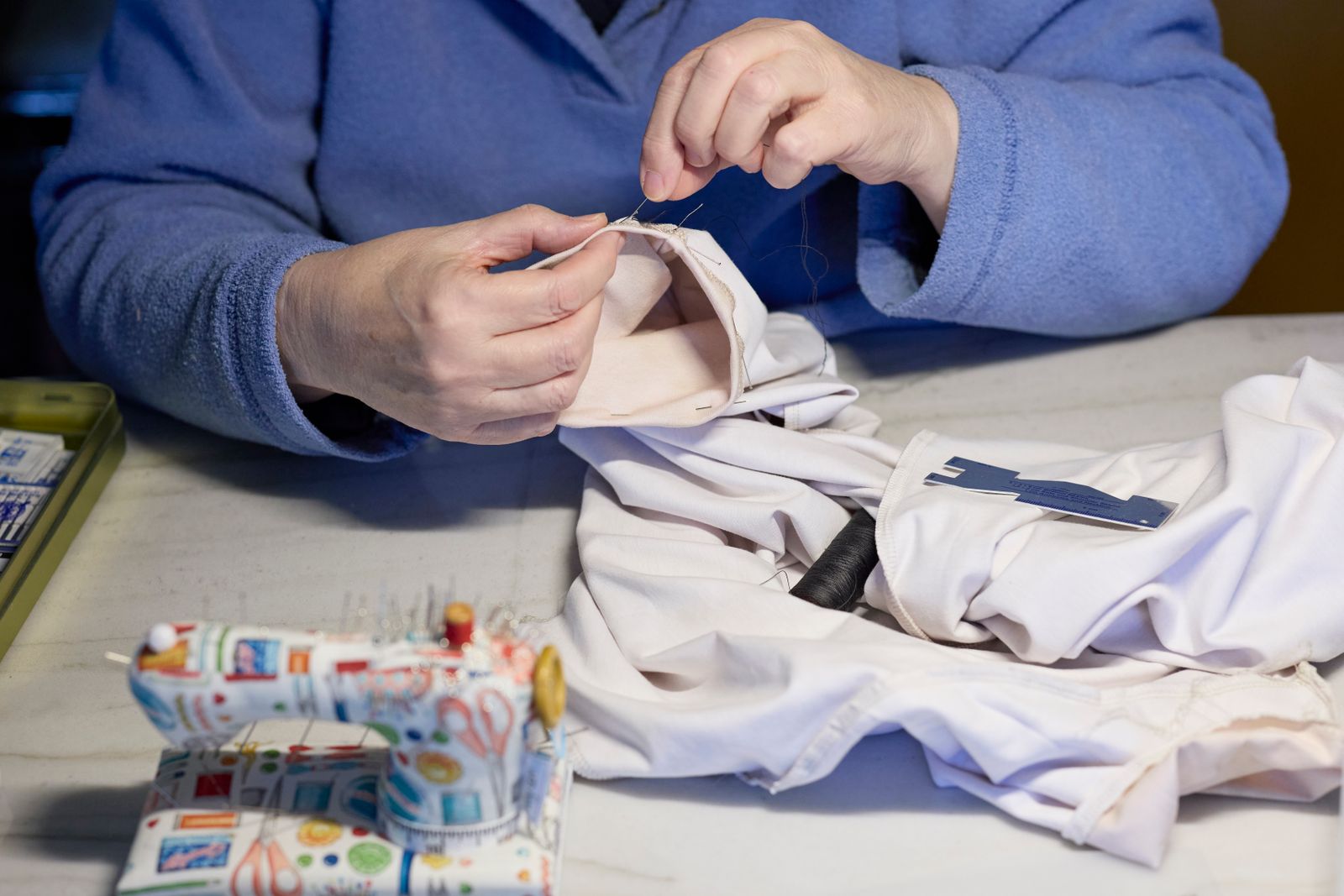
Factory jean hems carry fading, stitching color, and a roped texture from the chain stitch used in production. A plain folded hem on shortened jeans loses that character and can look obviously altered. The original-hem method keeps the factory edge: the hem is removed, the leg shortened, and the original edge reattached, preserving the fade and stitching. Chain-stitch hemming, done on specialized machines, reproduces the original roping effect on a fresh hem. If the look of your jeans matters to you, ask which method a shop uses before the cutting starts.
What repair cannot do
Repair rebuilds areas; it does not reverse overall wear. Denim that has thinned across the whole seat and both thighs can be darned in one spot only to tear beside the repair, because the surrounding fabric is equally tired. A candid tailor will point at that pattern and say the pair is near the end. Likewise, darning adds thread but not new denim, so a repaired thigh will wear again on roughly the timeline the first one did, especially if the fit rubs in the same place, which in Waxhaw summers, with heat and humidity, can be sooner than you hope.
Aftercare that extends the repair
Wash repaired jeans inside out on a gentle cycle and skip the hottest dryer settings, since heat is hard on both denim and repair thread. Check the repaired area every few washes; catching a new thin spot early means a small darning job instead of a large one. Rotating between pairs, rather than wearing one pair daily, spreads the friction that causes thigh wear in the first place, and it gives a fresh repair a few easy first wears instead of a full work week.
Common questions
Will darning be visible on my jeans?
Somewhat. With well-matched thread, darning reads as a textured patch of stitching rather than a glaring repair, but at close range it shows. Contrast thread makes it deliberately visible instead.
Is it worth repairing inexpensive jeans?
Fit is the deciding factor. A pair that fits perfectly and is hard to replace justifies repair more than price does, while a worn-everywhere pair is usually better retired.
Can jeans be shortened and keep the original hem look?
Yes, with an original-hem alteration that reattaches the factory edge, or with chain-stitch hemming that recreates the factory texture. Ask which method will be used before work begins.
Photos in this guide are representative stock images.
← All guides from Sharon's Alterations & Tailoring← Back to Sharon's Alterations & Tailoring