Wedding alterations run on a clock that surprises most first-time clients in Waxhaw. The dress arrives, the wedding is months away, and the work still needs to start early, because a formal gown is altered in stages, fitted between stages, and finished with details that cannot be compressed into the final week without risk. Waiting does not just add stress; it removes options, one closed door at a time.
This is the cost of starting late, stated plainly. Early fittings let a tailor solve problems in the right order: structure first, then length, then finishing. Late fittings force those stages to overlap, and some, like ordering matching fabric or rebuilding a bodice, simply fall off the table. The timeline below shows what a normal schedule looks like and what each delay costs.
Fitting one: structure and major fit
The first fitting addresses the bodice, straps, and overall shape. The tailor pins where the garment will be taken in or let out and judges whether the structure, boning, cups, and support, does its job. Wear the undergarments you plan for the day, because they change the fit of a bodice measurably. Shoes matter less at this stage than later, but bring them anyway if the hem will be discussed.
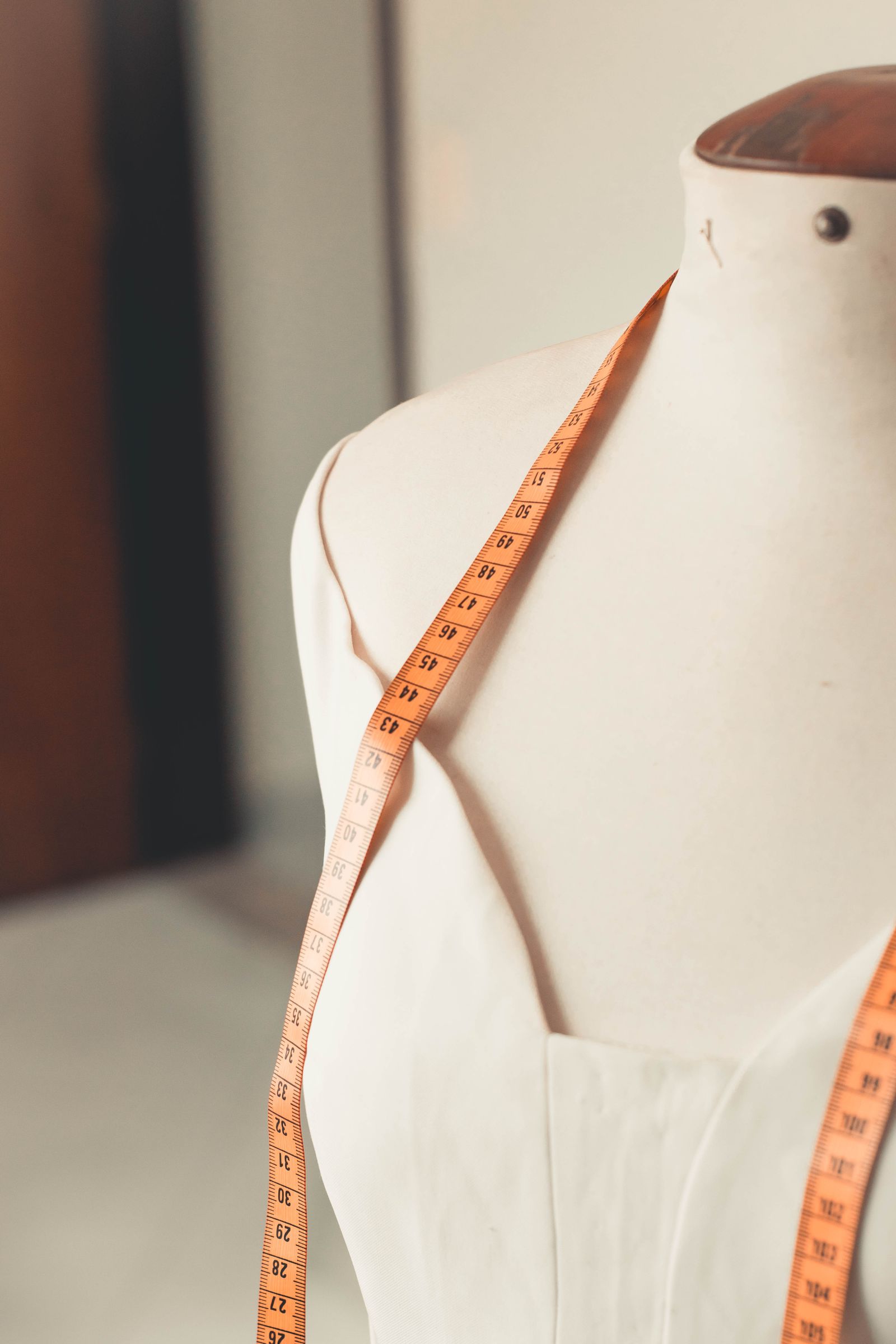
Fitting two: length and refinements
With the body of the gown settled, the second fitting sets the hem with the actual event shoes on, refines the fit after the first round of sewing, and places details like a bustle. A bustle is the set of buttons, loops, or ties that lifts the train for the reception, and it needs a rehearsal: have whoever will bustle the dress practice it at this fitting, not in a hallway during the reception.
Fitting three: the final check
The last fitting confirms everything together: gown, shoes, undergarments, and any accessories that affect fit, like a belt or straps. Small adjustments still happen here, but they should be small. This is also when pressing and final preparation get scheduled, so the dress is not steamed in a scramble the day before. In humid Waxhaw summers, a gown hung in a steamy bathroom as a home steaming shortcut can spot delicate fabrics, so plan the professional press instead.
What waiting actually costs
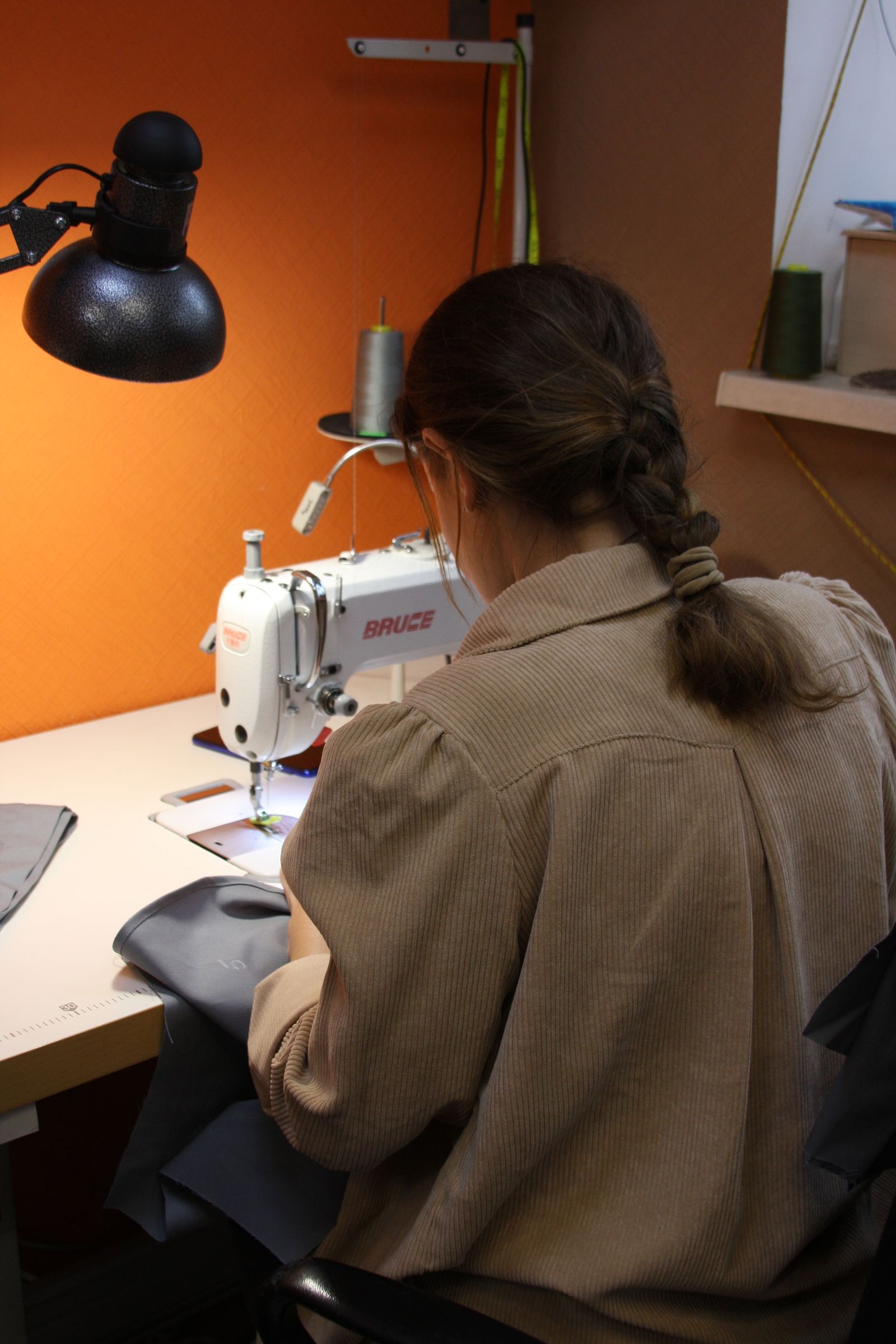
Start late and the losses arrive in order. First goes fabric choice, if extra material or lace must be matched. Next goes sequencing: hemming before the bodice settles means hemming twice. Then goes the buffer, so a single snag, a broken zipper, a last-minute weight change, becomes an emergency instead of a routine fix. Finally goes calm, which sounds soft but shows in the photographs. Bridesmaids and formal clients follow the same logic on a shorter clock: their garments are simpler, but they share the shop's queue with every other event that season, and spring and fall weekends in Waxhaw stack up fast.
The timeline is not the tailor being fussy. It is the shape of the work itself, and Sharon's Alterations & Tailoring plans formal jobs around the same sequence: fit the structure, set the length, finish the details, and keep a buffer for real life.
A note for the whole wedding party
The same staged logic applies to everyone in formal wear that day, not just the person in the gown. Bridesmaids, mothers, and anyone in a suit that needs work should be fitted early enough for a second check, because party members are often fitted by phone measurements or late arrivals from out of town. Garments shipped in should be tried on the week they land, not the week of the event. A dress that fits on paper can still need a hem, a strap adjustment, or a zipper eased, and each of those is a calm job with weeks in hand and a genuine problem with days. Build the party's fittings into the same calendar as the main dress, and the final week stays clear for everything else a wedding produces.
Common questions
Why are three fittings normal for a wedding dress?
Because the work is staged. Structure changes alter how length falls, so hemming waits for the bodice, and finishing details wait for both. Each fitting verifies the stage before it.
What should I bring to the first fitting?
The undergarments you will wear on the day and the event shoes, or shoes of the exact same heel height. Both change the fit enough that pinning without them wastes the visit.
Can alterations be rushed if I start late?
Sometimes a compressed schedule is possible, but options narrow: fabric matching, complex restructuring, and buffer time are the first things lost. Ask early, even if the dress has not arrived.
Photos in this guide are representative stock images.
← All guides from Sharon's Alterations & Tailoring← Back to Sharon's Alterations & Tailoring